By Zeenat
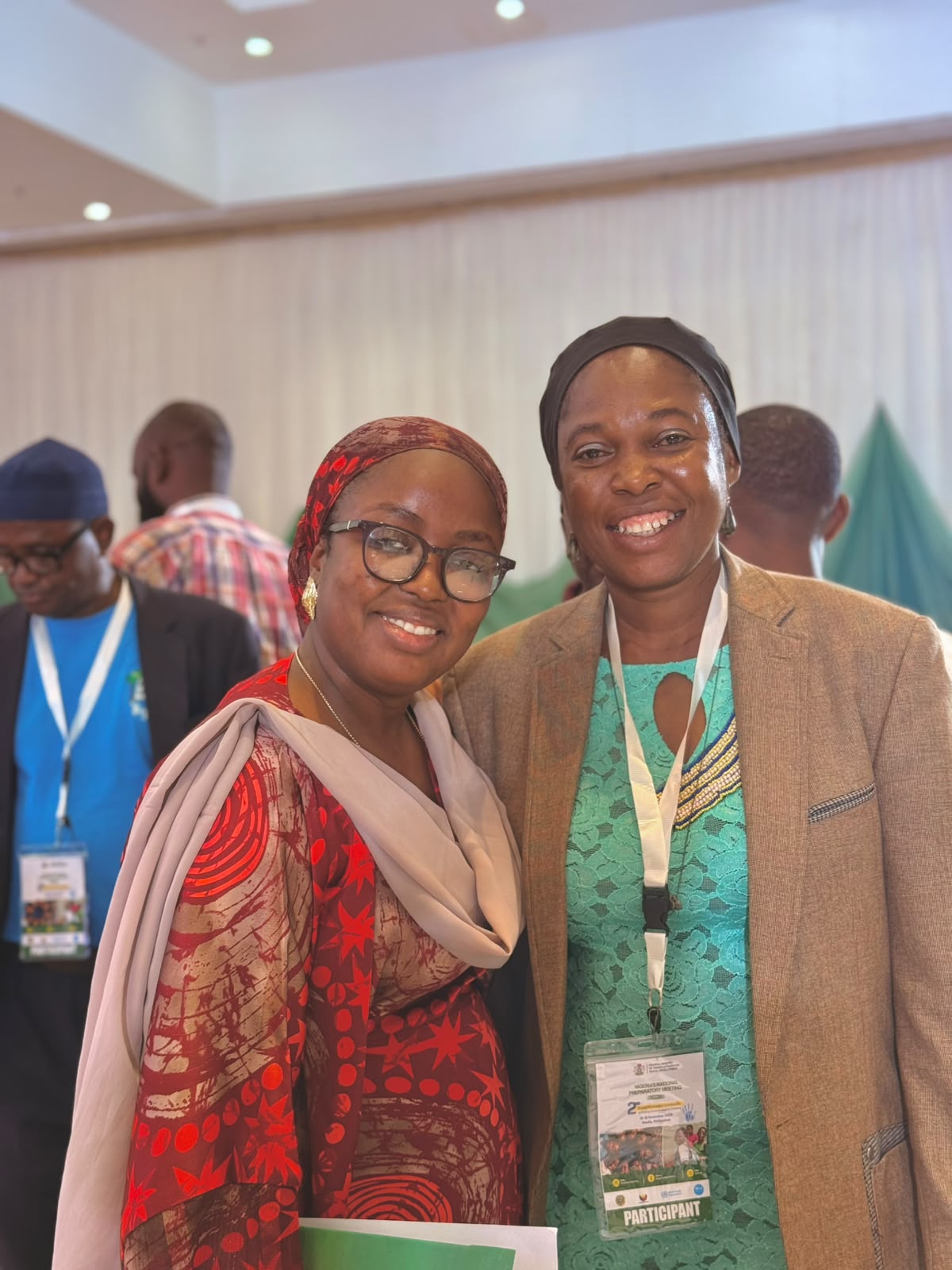
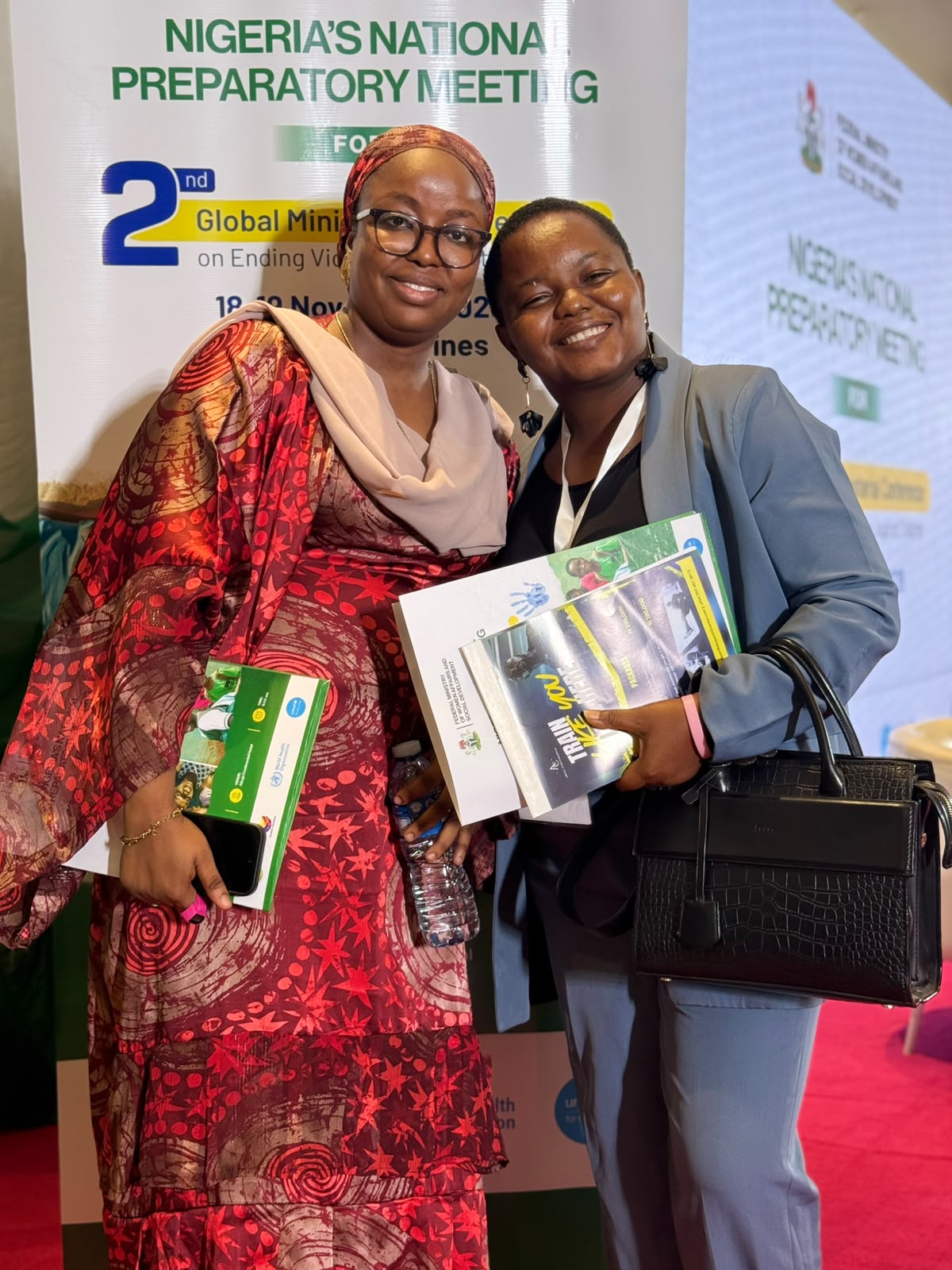
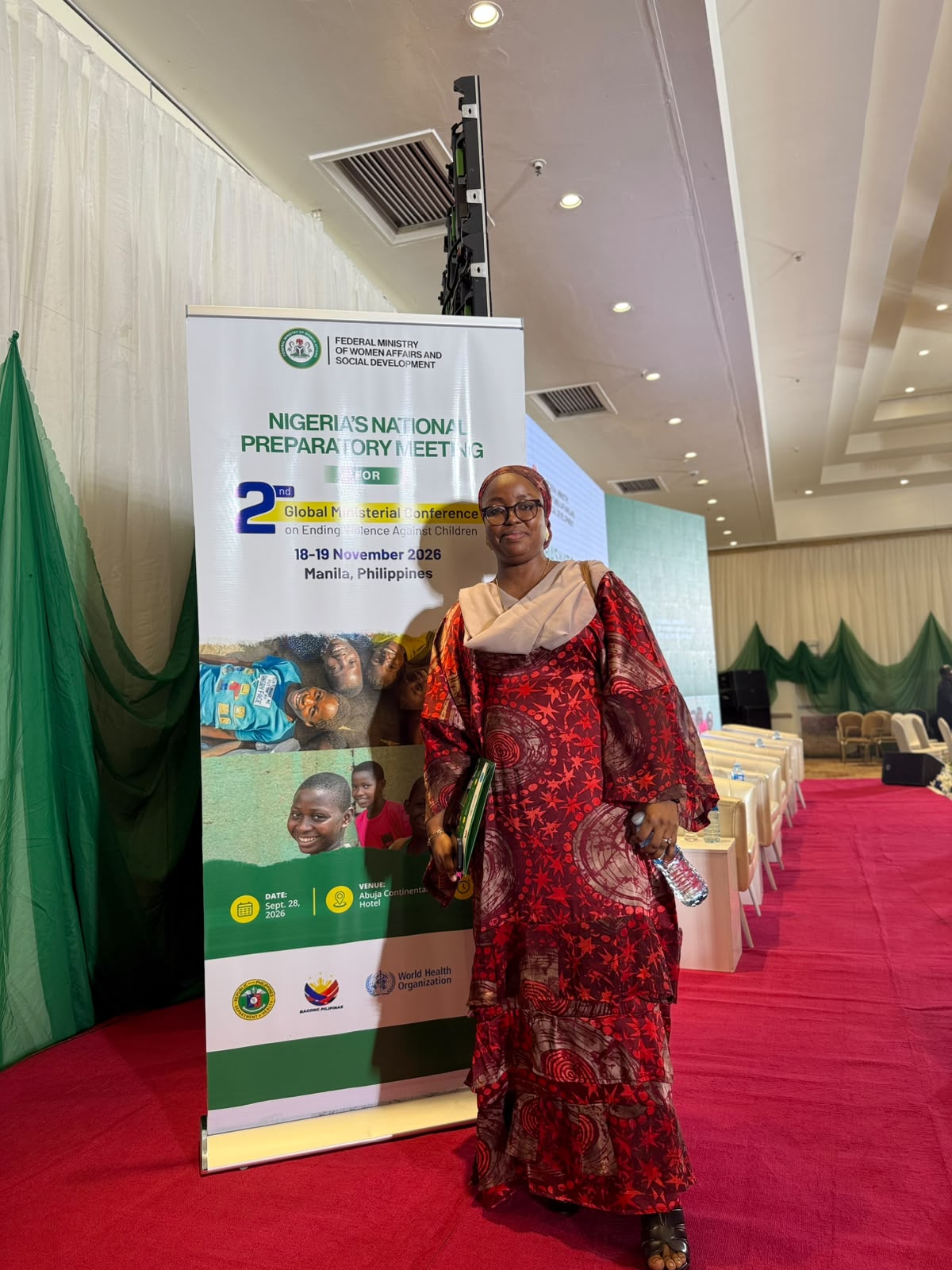
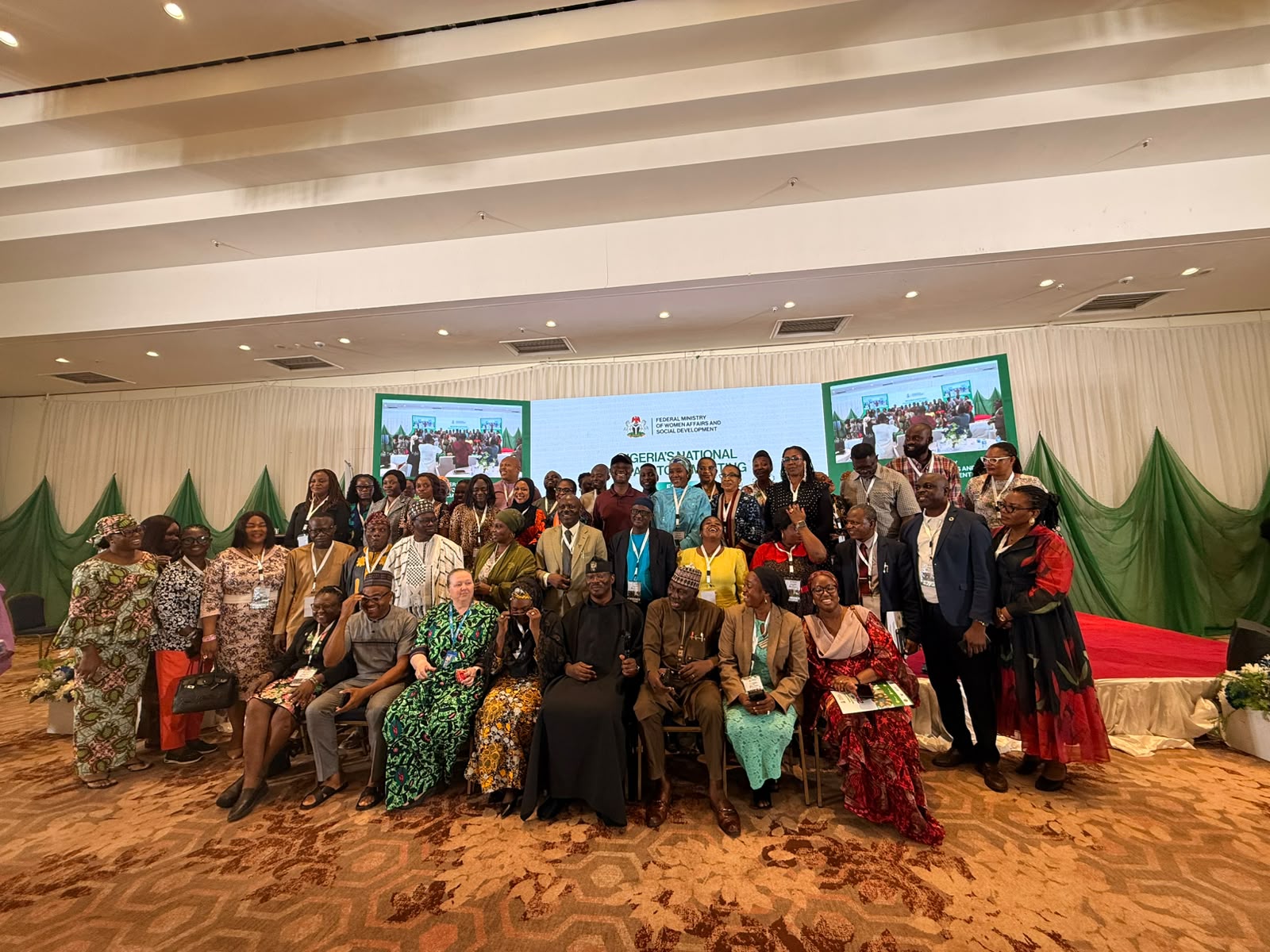
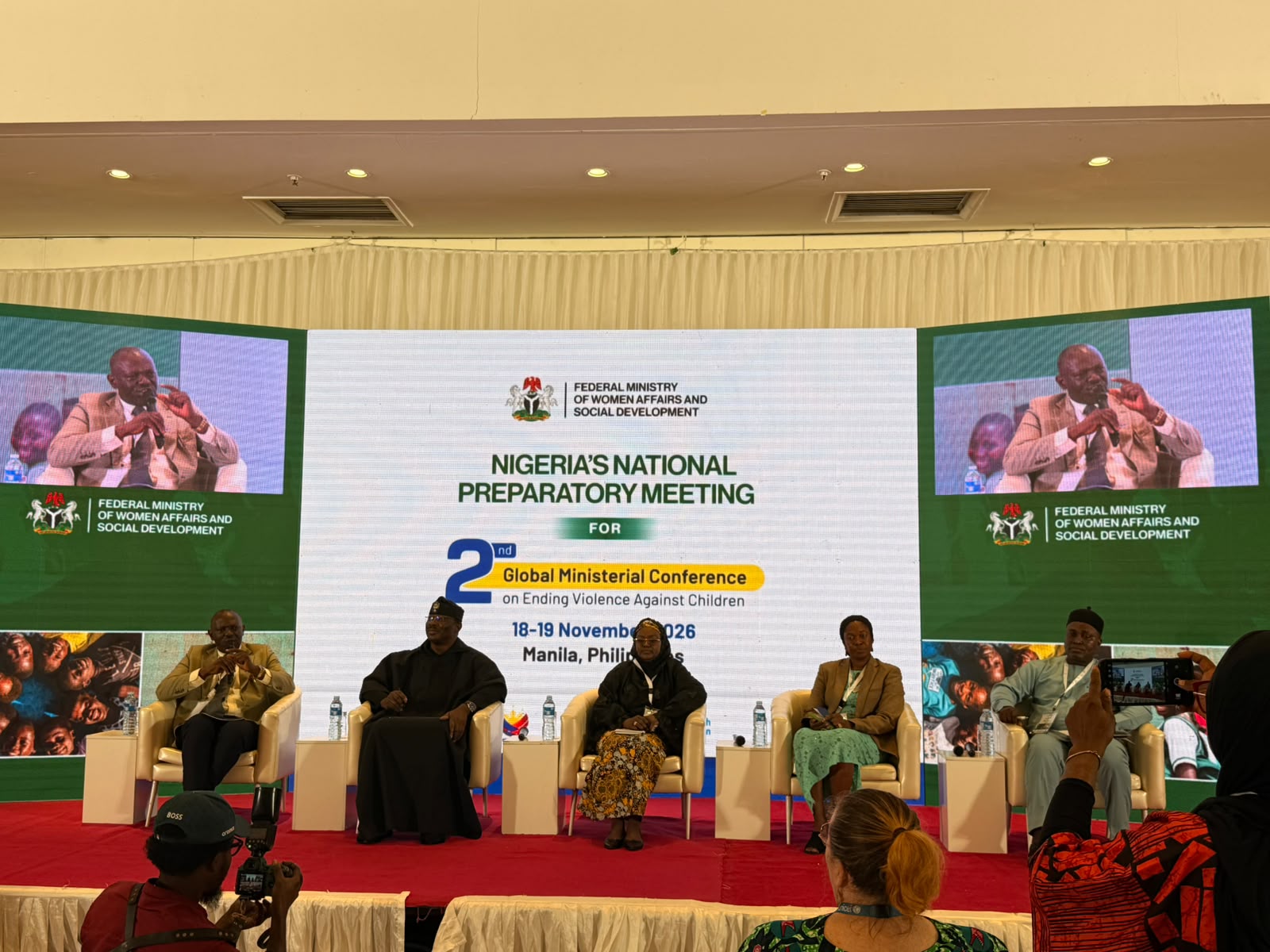
On 28 September, I represented the Samuel Ioron Foundation at Nigeria’s National Preparatory Meeting for the 2nd Global Ministerial Conference on Ending Violence Against Children in Abuja.
For anyone unfamiliar with the process, Ending Violence Against Children, or EVAC, brings together efforts to prevent and respond to the many forms of violence children experience at home, in schools, in communities and online. In 2024, governments met in Bogotá for the first Global Ministerial Conference on Ending Violence Against Children, where countries including Nigeria made commitments to strengthen how children are protected.
This November, governments will meet again in Manila. Before then, countries are holding national conversations to look at what has happened since Bogotá, listen to children and other stakeholders, and decide what they need to take forward.
How do we make sure commitments made in rooms like this actually mean something in the everyday life of a child?
It was fitting that the day began with children themselves. The morning was dedicated to a children’s consultation, giving children space to talk about safety in their homes, schools, communities and online. Importantly, they were not expected to disclose personal experiences of violence. The emphasis was on what they thought needed to change and what government and other stakeholders could do better.
There was something important about beginning there. We often speak about children in policy spaces. We discuss what they need, what threatens them and what should be done to protect them. Beginning with children themselves was a reminder that participation should not be something added to a process after adults have already decided what matters.
Their perspectives were then carried into the wider multi-stakeholder discussion later in the day, where government, civil society, development partners, traditional institutions and others considered Nigeria’s progress and priorities ahead of Manila.
As the discussions continued, I kept returning to the distance that can exist between national commitments and community reality. One contribution that particularly stayed with me came from Prof. Ruth Olubukola Adelagun of the Brave Movement. She spoke about the importance of grassroots involvement and the need to communicate child protection in language that people within communities can actually understand.
It sounds obvious, but it is something we can easily get wrong. We can have good policies, develop frameworks and strategies and even make international commitments. But if a parent, child or community member does not understand what those commitments mean for them, where to seek help or what to do when a child’s rights are violated, there is still a gap between the policy and the person it is supposed to protect.
Another example came from HRH Luka Ayedoo Nizassan III, Etsu of Kwali and Chairman of the Council of Kwali Traditional Rulers. He spoke about establishing a help desk at his palace where concerns involving abuse could be reported and addressed.
What interested me about this was its practicality. It took the conversation from we must protect children to where can someone actually go when something happens?
What we are learning through our own work at SIF
In the communities where we work, particularly communities affected by displacement, we have seen that awareness alone is not enough. People can understand their rights and still face significant barriers when they need to report abuse or access support. Reporting mechanisms have to be accessible. Communities need to know they exist and trust them. And when someone does come forward, there needs to be a functioning response behind that first point of contact.
This is part of what has informed our work on WhistleSafe and our wider efforts to strengthen community-based reporting and referral pathways. The Abuja conversation therefore felt very relevant to where our own work is going.
Nigeria already has laws, policies, programmes and international commitments relating to the protection of children. The question is increasingly how those commitments travel from national conversations into states, local governments and communities, and eventually into the life of an individual child.
That cannot be the responsibility of government alone.
Traditional institutions have influence within communities. Civil society organisations often work close to the people national policies are intended to reach. Schools and families are part of children’s everyday environments. Children themselves understand aspects of their lives that adults designing programmes may never see.
Bringing these different perspectives into the same conversation matters and participation should lead somewhere.
As Nigeria prepares for Manila, I hope we continue asking not only what commitments we want to make, but what will be required to implement them, who will be responsible, how they will be financed and how children and communities will know that something has actually changed.
For me, that was the strongest takeaway from Abuja.
The real measure of our commitments will not be how ambitious they sound in a conference room but if or whether children experience them where they live.